“If we don’t keep moving our belly energy, the stress can really get stuck, becoming a permanent, or semi-permanent feature of the way we are”
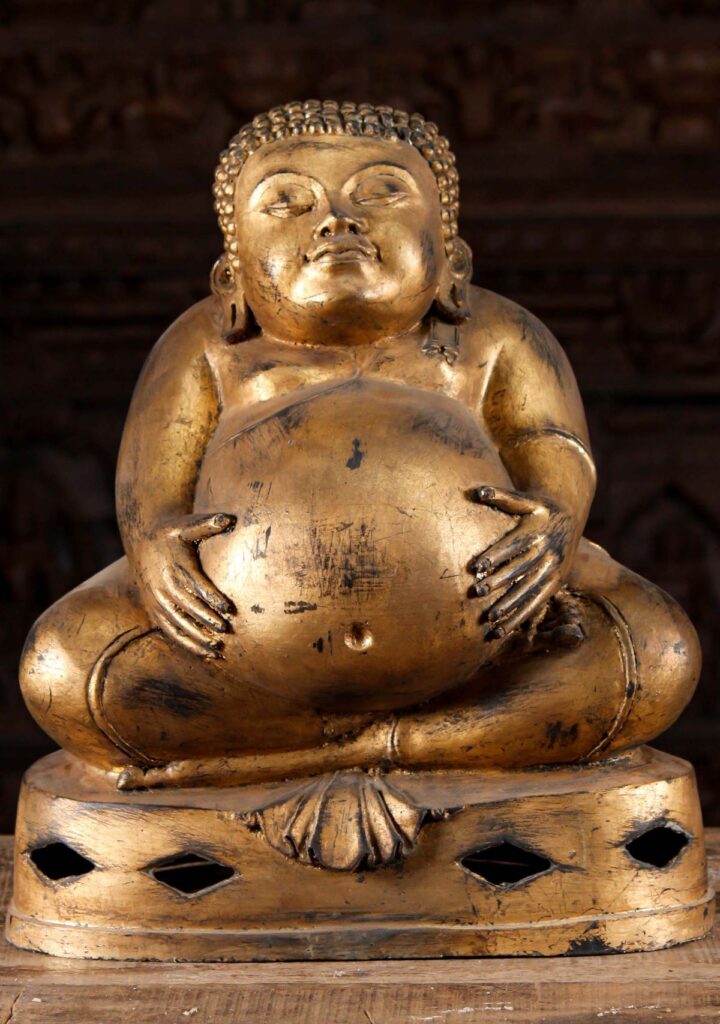
Dear Integral Meditators,
Awareness of energy, breathing and movement are all keys to building a multi-dimensional resilience practice. The article below outlines a classic qi gong breathing technique that I recommend you make a regular part of your routine!
If you enjoy it, then do have a look at the Qi Gong for Improving your Health and Energy Levels & for Self-Healing workshop that I will be doing this Saturday morning. Its a practical introduction to next level sustainable energy.
In the spirit of the cauldron,
Toby
Stress resilience through Cauldron breathing – Keeping your belly energy soft
Much of the stress, and the resistance to stress that we accumulate as we go through our day works its way down to our abdomen. If we are stressed, we can lose our appetite, or get indigestion. We talk about having a ‘knot’ in our stomach, or ‘butterflies in our tummy’. If we don’t keep moving our belly energy, the stress can really get stuck, becoming a permanent, or semi-permanent feature of the way we are. This pattern then leads short- and medium-term stress to become longer term, chronic stress.
Belly breathing in Qi gong, and reverse belly breathing are techniques of breathing that you can turn into habits, that keep the energy in the belly moving. If your abdomen gets stressed, the breathing will help to gently shift the stress out. It works basically as a massaging mechanism for the abdominal organs. It can also be practised as a breathing meditation technique, where you can build depth of meditation at the same time as doing a deeper de-stress.
Here are the basic stages of the practice, you can do it as a gentle, yin breathing practice, or as a more yang deep-breathing practice according to preference:
Stage 1: Practice breathing nose to belly: Breathe in through the nose, activate your diaphragm, sucking the air down into the bottom of your lungs. If you do this, you will notice your belly moving out a bit as you inhale. The diaphragm pushes down on the internal organs below it, creating a gentle squeeze, as it moves down, and release as you exhale. This squeeze and release creates a massage effect, helping the belly to release any tension that it may be holding onto.
Stage 2: To increase the massage, squeeze the muscles in your perineum to about 25-35% power as you inhale. This firms up the pelvic floor, so that as the pressure comes down from the diaphragm, it is sustained because the pelvic floor holds its ground below. If you do this you will feel a greater pressure build up in the belly as you inhale, and a greater release as you exhale. This gives a more powerful massage to the inner organs as you breathe. As you breathe out, relax the muscles in the pelvic floor.
Stage 3: As you inhale, gently tense the muscles in the front of the abdominal wall, so that the belly cannot move outwards. If you do this, you will feel a greater pressure in the belly; diaphragm moves down, pelvic floor holds its position, and now the belly keeps position, so the pressure has no where to go. Release the belly muscles as you breathe out. This creates a ‘cauldron’ effect in the belly, building pressure and squeeze as you inhale, releasing it as you exhale, helping any stress-knots in the belly to be released, so that energy can keep flowing through it.
Optional stage 4: As you do the cauldron breathing from stage 3, imagine an energy ball, about the size of a golf ball sitting behind your belly button, a few centimetres into your abdomen. As you breathe in, feel this ball filling with light and energy, as you breathe out, feel that light and energy expanding out from your belly into the rest of your abdomen, body and aura, dispersing stress and energy blocks as it moves outwards.
Doing a few of these breaths when you are stressed can really help. It is a great general health practice. If you create a habit of it, you will be helping your body to help you regulate your stress, and build energetic resilience for a lifetime.
Related reading: Functional breathing
Reverse abdominal breathing
© Toby Ouvry 2026, you are welcome to use or share this article, but please cite Toby as the source and include reference to his website www.tobyouvry.com
Follow Toby on: LinkedIn, YouTube, Instagram
Integral Meditation Asia
Online Courses * 1:1 Coaching * Books * Live Workshops * Corporate Mindfulness Training *Life-Coaching * Meditation Technology