Categories
Energy Meditation Inner vision Integral Awareness Life-fullness meditation and creativity Meditation techniques mind body connection mindful dreaming Qi gong

Visual keys to subtle meditation states

 W
Dear  Integral Meditators,
This weeks article looks at how we can start to access subtle levels of consciousness in meditation using simple visual keys. Subtle states of consciousness can make us more creative, calmer, wiser and give us access to greater self awareness and self healing. So all in all they are well worth cultivating!
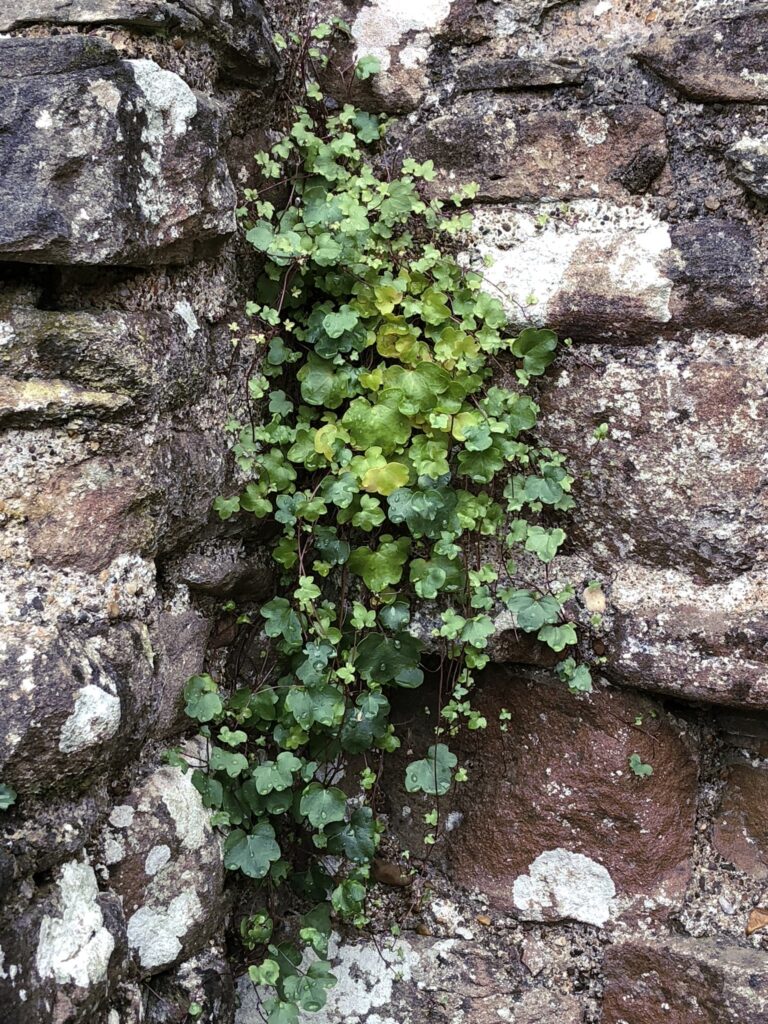
PS: This weeks image courtesy of Penny Ouvry, Wootton Wawen on the Stratford-on-Avon canal!

Visual keys to subtle meditation states

As we continue to meditate, gradually our mind becomes calm and more focused. This in turn enables us to start becoming aware of subtle states of consciousness that are normally covered up by the activity of our everyday mind and activities. Awareness of these states starts to emerge naturally in any meditation practice, but we can accelerate it by meditating upon simple visual keys designed to encourage subtle states. Below I explain examples of such keys to awaken to four subtle experiences:

  • Awareness of our subtle energy body
  • Deeper intuitive and creative awareness
  • Expanded emotional states
  • Formless timeless awareness

You can read a bit more extensively about these states in my past article the Four Subtle Experiences in Meditation.

Stage 1 – Awareness of the rising light
Be aware of your point of contact with the floor or ground. Look down in your mind’s eye into the heart of the earth. See there a huge ocean of light and energy. Imagine it as the energy of the Planetary being. See this light rising and flowing into your body, through your feet, or point of contact with the earth. See your physical body filling with light and energy from the earth until eventually you have a light body, the same shape and size as your physical body, and inhabiting the same space, but made of light and energy. Become aware of the flow of energy through your light body, directing it toward areas of your body that may need healing. More detail of this meditation can be found here: Earth light meditation form.

Stage 2 – Awakening to subtle intuitive states
Within your light body visualize a candle flame in the center of your chest/heart space. Imagine that it embodies the energy of your intuitive, creative and visionary consciousness. Focus on that flame and relax into it. Allow creative thoughts, images and visions to flow into your mind as you relax. If you like you can think intuitively around a particular area of your life or work.

Stage 3 – Connecting to expanded emotional states
Again, using the candle flame in your heart as an anchor, recall times in your life when you have felt a deeper or expanded state of emotion. It could be love, compassion, rapture, wonder, anything like that. The main thing is it was a powerful experience for you. Revisit your memories of that experience, and gently recrate the feeling of it within your heart space. Relax into that feeling and experience.

Stage 4 – Relaxing into formless timeless awareness
Focusing on the candle flame, imagine everything else within your field of awareness gently being consumed by the light of the candle, so that all you are left with is an open spacious feeling of pure light and awareness. Let your attention gently absorb into that state, so that you become familiar with the feeling of it.

The idea here is that we are using the image of the light body and candle flame as an anchor from which we can grow our experience of these four subtle states in a stable, gradual and experiential way. They also act as objects for our mind to focus upon in meditation to build focus and concentration in general. Once you are familiar with them, you can recall your light body and the candle flame as you go about your daily activities. as well. This will help further integrate these four subtle states of consciousness into your everyday awareness.

© Toby Ouvry 2018, you are welcome to use or share this article, but please cite Toby as the source and include reference to his website www.tobyouvry.com


Integral Meditation Asia

Online Courses 1:1 Coaching * Books * Live Workshops * Corporate Mindfulness Training *Life-Coaching *  Meditation Technology
Categories
creative imagery Enlightened Flow Inner vision Insight Meditation meditation and creativity Meditation and Psychology Mindful Resilience Mindfulness Stress Transformation

Baseballs or confetti?

Dear Integral Meditators,

If you were to learn to deal with your suffering in life, what might start to happen to your access to rapture and joy? The article below explores this question in a practical way…

In the spirit of baseballs and confetti,

Toby

​Baseballs of confetti? 
The truth of suffering
One of the big gifts of my time as a Buddhist monk and studying Buddhism was its orientation around looking squarely at pain and suffering. Of course, Buddhas first noble noble truth is the ‘truth of suffering’; in our life it is absolutely certain that we will meet various forms of pain. The brief summary of Buddhas seven unavoidable sufferings would be: birth, ageing, sickness, death, parting from what we like, encountering things we don’t like, and uncertainty. So, the basic ‘mindful injunction’ here is ‘be ready’ because in multiple ways small and great you are going to suffer. The good news is that, if you are ready for the pain, then you can reduce the amount of pain you experience, and you can also use it to become wiser, happier and more capable in your life. Put another way, your suffering becomes useful to you.What are you expecting, a baseball or confetti?
Whether our suffering is useful to us or not depends alot upon our expectation. If you are standing there expecting life to throw confetti at you, then when a ‘baseball’ of suffering gets thrown your way, then you are going to be completely unprepared, and the likelihood is that it’s going to hit you flush in the face, and cause a lot of pain. If your ‘ready’ for the suffering, or ‘expecting the baseball to come at you’ then when it does, you can basically ‘catch’ it, without it really doing to much damage. For example:

  • If I am wrestling with uncertainties in important areas of my life, if I have a sense that this is a ‘normal’ part of everyone’s life which I expect then I’ll be ‘ready’ to have to deal with it.
  • If I expect my body to give rise to a certain amount of pain, to age and so forth, then chances are I’ll be able to work with pain when it occurs and relax more gracefully into the ageing process (and perhaps as a result staying ‘beautiful’ longer?)
  • If when I engage in a romantic relationship I expect to have my emotional triggers and vulnerabilities pressed, then there is a much better chance I’ll be able to work with them, and preserve the beauty of the love in the relationship for longer, perhaps indefinitely….

The bottom line here is, if you are ready for it, then the capacity of suffering to cause painis much reduced, and the reduction comes in large part from your expectations…

The truth of rapture
Another truth that I think is equally important to grasp, but that isn’t explicitly in Buddhas four truths (but may be implicit?), is what I call the truth of rapture. This truth is really that life contains within it inherent forms of rapture, beauty and bliss. This rapture is available to all of us, but it exists amongst the suffering, messiness, uncertainty and difficulties of our life. The big payoff of opening to the truth of suffering well and courageously is that you them start to open up spaces in your life that contain wonder, beauty and amazement. Sometimes these experiences are quiet and unobtrusive, and sometimes they come to us in waves, loudly and in technicolour. If you take care of your suffering well then there is more and more room for genuine and sustainable rapture. For example:

  • If you are prepared to meet the ‘pain’ of intimacy in a romantic relationship and deal with it mindfully, then the stage is set for a long term and sustainable experience of rapture
  • If you are prepared to accept and deal with the pain of working hard to build a business well and with integrity, then the stage is set for the long-term pleasure and joy of having done so. You can enjoy the joy of both the process and the result!
  • If you are not pre-occupied with, trying to avoid or being consumed by your suffering, then you can find quiet moments of rapture during the day, in the beauty of a view, the presence of a loved one, the passing of time and so forth…

When you know how to catch the baseballs of suffering that come your way, you may find life spontaneously and as if by accident starts to throw a lot of confetti your way!

Related article: Practical Rapture (On rapture, beauty and mindfulness)

© Toby Ouvry 2018, you are welcome to use or share this article, but please cite Toby as the source and include reference to his website www.tobyouvry.com

Categories
Awareness and insight Insight Meditation Integral Meditation meditation and creativity Meditation and Psychology Meditation techniques Mindful Confidence Mindful Resilience Mindful Self-Leadership Mindfulness

Simple, or aware, or positive, or creative

“There is much inner stability that comes just from observing and being curious. There is a world of difference between ‘My life is a disaster’ and ‘how interesting that part of my mind should be thinking that my life is a disaster!’ Awareness gives us choice.”

Dear Integral Meditators,

In this weeks article I outline four ways of paying attention that, if you get really good at will render you largely impervious to intimidation from any of the current challenges in your life. Enjoy!

In the spirit of attention,

Toby

PS: You can now train in this meditation using my recordings on the Simple, positive, creative & aware training page


Simple, or aware, or positive, or creative

What are we fundamentally trying to do with our attention in mindfulness practice? One way of thinking about this question is to divide our daily attention into four ‘types’ Under each type listed below I detail an introduction to what it is and how to go about cultivating it. In each section there is also a link to a full article on each topic.

Simple – This type of mindful attention involves making our attention simple, grounded, uncomplicated by directing it toward our body and senses. You can take any of your senses, your breathing or feelings within your body as your object of attention here. By keeping your attention anchored to your sensory experience, you make your mind simpler, stronger and more relaxed. Without deliberately making our mind simple every day it’s all too easy to live in a permanently complex, stressful, anxious and worried mental world, that feels intimidating and not much fun. Also, when you think less, you also tend to think better!

Aware – This second type of mindful attention seeks only to pay attention and be aware. It observes and notes what is happening in our mind with impartiality, not trying to change fix, judge or alter. There is a lot of basic inner stability that comes just from observing and being curious. There is a world of difference for example between ‘My life is a disaster’ and ‘how interesting that part of my mind should be thinking that my life is a disaster!’ Awareness gives us choice and flexibility of mind. It also makes it more likely that we will then go onto make better decisions based around what we have become aware of.

Positive – This third type of attention means deliberately paying attention to what good there is in our life, or a situation; what there is to appreciate, feel grateful for, or that is to our advantage. It seeks out reasons to feel happy, glad, optimistic, peaceful, enthusiastic, even if we seem to be surrounded by problems and challenges. Developing our daily skill at this type of attention value adds tremendously to our pleasure and wellbeing. It also increases the chances of us being more effective and energized in the face of problems.

Creative – Finally, the creative mode of attention is where we think and analyze in a focused way in order to find solutions to problems. It is completely different from ruminating, over-analyzing or negative worrying. It simply observes the presenting issue with curiosity (fear or anxiety may be present, but we do not allow them to dominate) and seeks to come up with creative ideas as to how a solution could be found, or a step forward can be taken. The creative mode of thinking is not focused exclusively on the positive. It seeks to know obstacles and problems objectively and realistically and seeks ways to find resolution. This way of paying attention is also creative in the face of non-problems. It seeks to innovate, improvise and enjoy whatever circumstances we find ourselves in!

A suggested practicum: For five minutes, focus on making your mind simple by focusing on your body and senses. Then spend five minutes letting your attention roam, and greeting whatever comes up with awareness, or positivity, or creativity. It can be whichever you prefer, but it must be one. You can repeat this cycle as many times as you like in any sitting. Get used to paying sustained mindful attention to your life in these four ways and notice what starts to change!

Related article: Two fundamental mindfulness and meditation questions

© Toby Ouvry 2018, you are welcome to use or share this article, but please cite Toby as the source and include reference to his website www.tobyouvry.com


Integral Meditation Asia

Online Courses 1:1 Coaching * Books * Live Workshops * Corporate Mindfulness Training *Life-Coaching *  Meditation Technology
Categories
Awareness and insight Integral Meditation meditation and creativity Meditation and Psychology Meditation techniques Mindful Resilience Mindful Self-Leadership Mindfulness Presence and being present

Two fundamental mindfulness and meditation questions

Dear  Integral Meditators,

What are important questions that you can use to greatly improve your meditation and mindfulness practice, whatever level you are at? The article below offers two…


Two fundamental mindfulness and meditation questions

One fundamental mindfulness question that you can ask yourself is “What is the way in which I am paying attention to my experience in this moment?” Regarding meditation, a central one is Which positive object of attention is going to be most useful to me in this situation, right now?

“What is the way in which I am paying attention to my experience in this moment?”
Let’s look at the mindfulness question first. Mindfulness means being aware of what you are doing in the moment, and how you are paying attention to what you are doing. If you ask yourself how you are paying attention to what is happening to you, then you’ll start to notice the way in which your attention is influencing how you experience what you are going through. You can then ask yourself the question “is the way in which I am paying attention here helping me or hindering me to be both happy and effective?” If you can see that your current way of paying attention is working to produce a good result, then you can stay with it. If it isn’t, then you can try making a mindful adjustment that will make an improvement.
For example, if I am in a meeting, and I am feeling impatient because it has gone overtime, I might notice that the impatience is making me both unhappy in the moment, and less effective at bringing the meeting to a successful conclusion. So, I might then decide to make the adjustment of accepting that the meeting is late, and re-focus my attention on patiently getting the best outcome by listening to the other parties, and communicating well.
It is by making many such incremental adjustments each day that mindfulness can really improve out quality of life and make us more effective at what we are doing.

“Which positive object of attention is going to be most useful to me in this situation, right now?”
A meditator is (amongst other things) someone who is concerned with focusing their attention mindfully around a positive object as they go through their daily life. A ‘positive object’ is one that, when we focus upon it helps our mind to feel calmer, more joyful/loving, more confident, grounded, centered and so on. A positive object influences our state of mind for the good when we focus upon it. There are as many different positive objects as there are positive states of mind. The skill as a meditator lies in focusing on the right positive object. For example:

  • If I am experiencing fear, I might take courage, or the recognition of my immediate physical safety as my object of meditation in the moment
  • If my mind is very busy or distracted, then I might practice attention to my body and senses as my positive object, to settle my mind.
  • If I have just received an experience of good fortune, then I can take appreciation of that good fortune as my object of mindful attention.

The skill of the meditator in this context is selecting the right positive object to effectively meet and enjoy the challenge that s/he is going through in the moment. Since life is always changing, the particular positive object will also change as our day/week/month progresses, so we need to keep aware and making adjustments. We can do this by asking ourself this second question.

So, if you can bear in mind these two questions and ask yourself them regularly, then both your mindfulness and meditation practice are going to become more effective. Enjoy!

© Toby Ouvry 2018, you are welcome to use or share this article, but please cite Toby as the source and include reference to his website www.tobyouvry.com


Upcoming Courses at Integral Meditation AsiaOngoing on Wednesday’s, 7.30-8.30pm – Wednesday Meditation Classes at Basic Essence with Toby

Ongoing on Tuesday evenings, 7.30-8.30pm – Tuesday Meditation Classes at One Heart with Toby (East coast)

Begins 14/15th September – Effortless effort – Insight meditation for self-healing and transformation – a five week course

Monday 6.15-7.15 & Wednesday 12.15-1.15 – Integral Meditation classes at Space2B on Stanley Street

Saturday 11th August, 9-10.15am – Qi Gong workout and meditation class

Saturday 18th August, 9.30-1pm – Meditations for Developing the Language of Your Shadow Self Workshop


Integral Meditation Asia

Online Courses 1:1 Coaching * Books * Live Workshops * Corporate Mindfulness Training *Life-Coaching *  Meditation Technology

Categories
creative imagery Inner vision Integral Awareness Integral Meditation meditation and creativity Meditation techniques mind body connection Mindful Resilience Mindfulness Presence and being present Primal Spirituality

The calm of solidity – Four mindful techniques

Dear Integral Meditators,

The ‘calmness of solidity’ means the calmness that can be discovered through the solidity and physicality of your body. In the article below I outline four ways that you can cultivate it both formally and informally to increase the level of your own dynamic calm, which is to say your own ability to remain calm and centered under real-time pressure from your life!

In the spirit of the calmness of solidity,

Toby

​The calm of solidity – Four mindful techniques

The ‘calmness of solidity’ means the calmness that can be discovered through the solidity and physicality of your body. It also means the calmness that can be derived from the elements of your physical surroundings and nature. It is one of the four types of dynamic calm that I outline in my previous article Four types of deep calm, four types of dynamic power. In this article I’m simply going to explain four methods that you can use in combination with each other or individually to develop your own dynamic calm, or your ability to remain calm and centered under real-time pressure from your life!

Practices 1&2: Investigating the absence & the presence of calm.
Investigate with curiosity what your body and your breathing feel like when you are not calm. Notice what it feels like to feel ‘not calm’ or unsettled. If you can then practice simply accepting the absence of calm without making ‘a problem out of the problem’ then paradoxically, this gives you access to a certain type of basic calm!
Secondly, remember what it is like to have the presence of calm within your body. Recall times in the past when you have felt the presence of calm in your body, for example when on holiday in a beautiful location, or in the presence of someone you trust. Practice activating the memory of calm, then breathing and living your life from that feeling. Get familiar with it such that, when you are under pressure in daily life, you can deliberately activate your body’s memory of calm. If you do this you can still feel the presence of calm even when your environment may be unsettling.

Practice 3: Using your physical body and senses to calm your mind and emotions.
With this method, you use your sensory attention as your object of focus, giving your mind a simple calm anchor to relax into in the present moment. For example:

  • The weight of your body on the chair,
  • The quality of the light through the window
  • The sound and feeling of the wind, and the call of the birds, as well as the distant traffic sounds
  • The physical movement of your breathing
  • The colours of the objects around you in the room

You can do this in formal meditation, but also out of meditation during the day as you go about your activities. Stabilize your calm by getting out of your mind and into your senses!

Practice 4: Practicing mountain like calm
This final type of calm uses an imaginative key to use in meditation; Experience your body as being like a mountain, your thoughts and associated feelings as being like clouds and your mind or consciousness itself as being like the sky. A mountain is so solid and centred that it really doesn’t mind if the weather around it is stormy, rainy, windy or chaotic. Imagine your own physical body to be like this; calm, solid and massive. This way, even when your emotions and thoughts go crazy sometimes, there is no need even to stop the craziness. Just focus on being the calmness of the mountain, which is proportionally way stronger and more massive!
So, there you go, four techniques to play around with this week if you choose. You can work with them systematically, or just pick the one that works best for you.

© Toby Ouvry 2018, you are welcome to use or share this article, but please cite Toby as the source and include reference to his website www.tobyouvry.com


Upcoming Courses at Integral Meditation AsiaOngoing on Wednesday’s, 7.30-8.30pm – Wednesday Meditation Classes at Basic Essence with Toby

Ongoing on Tuesday evenings, 7.30-8.30pm – Tuesday Meditation Classes at One Heart with Toby (East coast)

Saturday 7th July, 9.30am-12.30pm – Integral meditation & mindful walking deep dive half day retreat

Sunday 8th July, 9.30am,-1pm – Qi Gong for Improving your Health and Energy Levels and for Self-Healing


Integral Meditation Asia

Online Courses 1:1 Coaching * Books * Live Workshops * Corporate Mindfulness Training *Life-Coaching *  Meditation Technology

Categories
Concentration creative imagery Energy Meditation Integral Meditation Life-fullness meditation and creativity Meditation and Psychology Meditation Recordings Meditation techniques Mindfulness Presence and being present Stress Transformation

Dynamic Calm – Free meditation

Dear Integral Meditators,


You can Listen to my 5 minute talk and 10 minute meditation on Dynamic Calm HERE!

Toby

Categories
Inner vision Integral Awareness meditation and creativity Meditation techniques Mindful Self-Leadership Mindfulness One Minute Mindfulness Presence and being present

Making mindful use of your to-do list

Dear Integral Meditators,

How can you transform your busy-making ‘to-do’ list into an object of mindfulness? The article below explores one possible way!
Heads up for the Get Your Meditation Practice Started Now – The Shortest and Most Time Effective Meditation Workshop Ever next Saturday 16th June, 10-11.30am.
And last few days for the mindful stress-transformation coaching offer, see below 😉

In the spirit of mindful to-doing!

Toby


Stress Transformation Coaching special offer:
Up until Friday 15th June there is a special offer on Toby’s Stress transformation coaching service. Three x 1hour packages are on a 15% special offer (a saving of $95). Contact info@tobyouvry.com for full details.
Stress transformation coaching with Toby is exactly that; it teaches you how you can transform your stress, anxiety and other difficult emotions into forces for the good in your life. The coaching focuses upon:

  • Getting to know and understand the negative or conflicting energy and emotion in your life more deeply and intimately, seeing its potential value
  • Developing the capacity to recycle,  transform and redirect this difficult energy into a positive force that works for you rather than against you
  • Find yourself thriving in situations and circumstances that would previously make you unhappy, fearful, inhibited and so on…Read on…


Making mindful use of your to-do list

Most of us have a ‘to do list’ most days. Quite often when you hear about practicing mindfulness, we are told to try and put down the to do list in our mind, in order to notice the present moment more.
There is one way that I have of using my own to do-list as a way of increasing my mindful appreciation, and it goes something like this. Every day I have my list of to-dos’. Often, they are written in my diary, alongside my appointments. At various points during the day I will open my diary and, with a little red pen cross off the actions and appointments that I have done so far. I will then pause for a few moments, and give myself a little appreciation for the things that I have done. I will also use what I have done to ensure that I am seeing that today has been a constructive day, where things have been achieved, and I take the time to note and feel good about that. I then proceed with the next few things in the list.
Of course, the list rarely ends, but my approach to my to do list ensures that I am using it to feel good about myself and my day, rather than taking what I have done for granted, and feeling oppressed (and maybe depressed) about the things that I have not yet done!

Structuring unstructured time with your list. 
Sometimes if there is a gap in my routine and I sense a certain amount of anxiety around ‘what I am going to do with this time?’, then I’ll simply write a list of things to do, work, leisure or otherwise that will last me that morning, afternoon, or however long the open space is. I’ll then just get on with the tasks, and cross them off as I go. Then at the end of the time I’ll just look at the crossed-off list of what I’ve done for a short while, just to register and appreciate what I’ve done, and enjoy the fact that my time was well spent.
If you choose to use this way of working with your to-do list, then rather than getting in the way of your mindfulness practice, it becomes an active part of it. Your to-do list becomes a way of honing your attention, developing appreciation, becoming more effective in life, and deriving active pleasure from your achievements, great and small!

© Toby Ouvry 2018, you are welcome to use or share this article, but please cite Toby as the source and include reference to his website www.tobyouvry.com


Upcoming Courses at Integral Meditation AsiaOngoing on Wednesday’s, 7.30-8.30pm – Wednesday Meditation Classes at Basic Essence with Toby

Ongoing on Tuesday evenings, 7.30-8.30pm – Tuesday Meditation Classes at One Heart with Toby (East coast)

Saturday 16th June, 10-11.30am – Get Your Meditation Practice Started Now – The Shortest and Most Time Effective Meditation Workshop Ever

Saturday 23rd June, 10am-4.30pm – An Introduction to Meditation from the Perspective of Shamanism


Integral Meditation Asia

Online Courses 1:1 Coaching * Books * Live Workshops * Corporate Mindfulness Training *Life-Coaching *  Meditation Technology

Categories
Integral Awareness Integral Meditation Life-fullness meditation and creativity Meditation and Psychology Meditation techniques Mindfulness Presence and being present

Mental framing – Sculpting your view of life

Dear Integral Meditators,

We are never in 100% charge of what we experience in life, but we can determine the way in which we experience what happens. This week’s article explores how to mindfully take advantage of this truth!

In the spirit of sculpting & framing,

Toby

Mental framing – Sculpting your view of life

We are never in 100% charge of what we experience in life, but we can always influence the way in which we experience what happens. How we influence the way in which we experience something is via the manner in which we pay attention to it, and in particular the way in which we mentally frame it. The essential question with mental framing is “What is the optimal way for me to view what I am experiencing, so that I derive maximum value and minimum unnecessary pain from it?”
This question and the answers we get from it are like mental sculpting. The raw materials are our life experiences, and our ways of mental framing are like the tools used to craft and mould the raw materials into the shape that I desire.
Last weekend I was giving the example to a class of my own workshop creation process. I’ve created over 50 meditation and mindfulness workshops in the last decade. Of these only around 50% have gone on to be successful in the sense of attracting a lot of people numbers. So, if I focus purely on the ‘success rate’, then I’m not going to be a very happy boy in some ways. However, there are many ways in which I can use my mind to frame what I am experiencing after a ‘failed’ workshop in ways that are helpful to me. For example:

  1. ‘It is realistic to expect many of the events that I put on to not attract large numbers. It’s simply part of my evolving work progress, and in fact a 50% success rate is very good in the circumstances!’ – This view helps me accept the experience, feel happy about it and sets me up to continue working with it in the long term without feeling discouraged.
  2. ‘A small number of people in a workshop creates an intimate space for me to have a more meaningful, small scale relationship to the participants’ – Again, this view helps me feel enthusiasm for the experience and helps me to keep my appetite for the work in the long term.
  3. ‘I learned a lot from creating the workshop, so it is feeding my own process of self-discovery and growth’ – This is absolutely and objectively true, I do learn a lot, and so the time was not wasted, indeed it was very well spent!
  4. ‘If it didn’t work in this context, maybe I can try it in another context’ – I’ve seen from my own experience how courses that I have created in one arena later became a part of my mainstream ‘successful’ courses later down the line. No creative process is ever entirely wasted! Indeed, some of my most successful material only finds the right audience two or three years down the line.
  5. ‘This is helping my ongoing learning process about value creation’ – Every time I try something out, or put it out to an audience, I learn more about value creation, in business, in relationships and in life. This learning in turn helps me to make the best of what I meet in each day, and to become more successful in life. What could be better than that?

So, there you go; five ways of mentally framing my situation in ways that help me to view and experience it in a positive AND REALISTIC way. Realistic is in caps because for mental framing to be effective it has to be reality focused. You can’t just fantasize any old BS that just isn’t true!
Mindfulness is all about releasing our potential for learning and growth in the moment. Mental framing is a technique that really we can be using all the time during our day to ‘sculpt’ our reality in a way that is useful and desirable. But to get going you might like to take one or two specific situations in life and practice framing them. Happy sculpting!

Related articles: 
How to mindfully develop your self-confidence
Four positions for wrestling with your dark angels
Mastering your mind through mindfulness

© Toby Ouvry 2018, you are welcome to use or share this article, but please cite Toby as the source and include reference to his website www.tobyouvry.com


Upcoming Courses at Integral Meditation Asia

Ongoing on Wednesday’s, 7.30-8.30pm – Wednesday Meditation Classes at Basic Essence with Toby

Ongoing on Tuesday evenings, 7.30-8.30pm – Tuesday Meditation Classes at One Heart with Toby (East coast)

Tuesday 29, Wednesday 30th May – Wesak Meditation

Saturday 2nd June, 9.30-11.30am – The Power of Presence – Mindfulness for managing conflict in your relationships and accessing your inner power

Saturday, 9th June, 9.30am-1pm – Meditations for Transforming Negativity and Stress into Energy, Positivity and Enlightenment


Integral Meditation Asia

Online Courses 1:1 Coaching * Books * Live Workshops * Corporate Mindfulness Training *Life-Coaching *  Meditation Technology

Categories
creative imagery Enlightened love and loving Integral Awareness Integrating Ego, Soul and Spirit Life-fullness Meditating on the Self meditation and creativity Meditation and Psychology Mindful Resilience Mindful Self-Leadership Uncategorized

Giving your heart whole (Creating a ‘high functioning’ heart)

Dear Integral Meditators,

In order to get the most out of life, you have to give yourself whole heartedly to it without holding back. But what happens when you give yourself whole heartedly to a person, a project or a cause, and you get hurt, abused, rejected or taken advantage of? This weeks article offers a few perspectives on how to keep giving your heart to life without worrying too much about getting it broken!

In the spirit of the high performance heart,

Toby


Giving your heart whole (Creating a ‘high functioning’ heart)

In order to get the most out of life, you have to give yourself whole heartedly to it without holding back. But what happens when you give yourself whole heartedly to a person, a project or a cause, and you get hurt, abused, rejected or taken advantage of?
Inevitably in life we get our heart wounded. People we trust turn out to be unreliable. Organizations that seem benevolent turn out to have a dark side. The reality we thought was there and that we gave our heart to turns out to be false. Sometimes it’s even malevolent, seemingly taking pleasure in the pain that we experience as a result of having our heart-felt feelings thrown back in our face. With experiences like this it is understandable that many of us become cautious, build up walls around ourselves, and wary of opening ourselves up. We’ve been hurt by opening our heart before, why take the chance of more pain by opening it again? In this article I want to offer a perspective on how to give your heart to someone or something in a way that makes continuing to give it both sustainable and enjoyable.

In romance and friendship – Giving your heart whole


One of the reasons that we get our hearts broken and wounded in love and friendship is because the heart that we are offering to the relationship is wounded and dysfunctional in the first place. If you come into a romance lonely, anxious and dysfunctional, then you are going to form a co-dependent relationship with the person. Consequently, if anything goes wrong, or they turn away from you, its going to place a wound in the already wounded or broken heart that you offered in the first place. This is going to feel really bad and take you a long time to recover from (if you even do recover properly).
The alternative to this is to do some work on yourself and your heart to make it a ‘high functioning, heart’. This means that you go into a relationship already feeling relatively whole, complete and happy within yourself. The relationship offers a further environment for you to express that already whole, complete and functional heart with another person. When you ‘give your heart’ to them, it is a whole, strong, robust heart, not a ‘heart of glass’. If the relationship then goes wrong in some way, or they behave badly, then you can simply take your heart back! Since you gave it whole, you can take it back whole. You didn’t give your heart to the person so they could ‘fix’ it, you gave it to them in celebration, in the spirit of fun, playfulness and possibility. If they were not able to reciprocate, then too bad for them, you just take your strong, whole, healthy heart back. You may feel a little disappointed or sad, but sadness can exist in a strong heart without breaking it.
In fact, if you have cultivated a high functioning heart, then giving it to someone is a kind of win-win scenario. If they reciprocate in kind, then you have a romance or friendship that can last you for a long time, even for life. But if it goes wrong, then you’ve had a good learning experience, no big harm done!
If you have a high-performance mountain bike, then you may like to take it out into the countryside and give it a thorough work-out, taking it through bumpy, muddy, wet and difficult terrain. Because it’s a good bike, its going to perform well, and you’re going to end up thinking ‘that was a great ride, I enjoyed that!’ Similarly, if you’ve invested and done the work in creating a ‘high performance heart’ then you are going to want to ‘put it through its paces’ and find things to test it against. You can ‘take it for a ride’, hit a few bumps and be pleased at how well it responds to genuine challenges.
In order to have a fulfilled life, giving your heart is really essential. But when you give it, give it whole, not broken. That way if you have to take it back, it’ll come back whole too!

© Toby Ouvry 2018, you are welcome to use or share this article, but please cite Toby as the source and include reference to his website www.tobyouvry.com


Upcoming Courses at Integral Meditation Asia

Ongoing on Wednesday’s, 7.30-8.30pm – Wednesday Meditation Classes at Basic Essence with Toby

Ongoing on Tuesday evenings, 7.30-8.30pm – Tuesday Meditation Classes at One Heart with Toby (East coast)

Saturday 28th April, 9.30am-1pm – Finding Freedom From What Holds You Back in Life: Practical meditations & techniques for working with your shadow-self

Sunday 20th May, 10am-5pm – How to do Soul Portraits Workshop

Saturday 26th May 10am-4.30pm – Mastering your Mind Through Mindfulness Meditation Day Retreat with Toby


Integral Meditation Asia

Online Courses 1:1 Coaching * Books * Live Workshops * Corporate Mindfulness Training *Life-Coaching *  Meditation Technology

Categories
creative imagery Integrating Ego, Soul and Spirit Life-fullness Meditating on the Self meditation and creativity Meditation and Psychology Meditation techniques Primal Spirituality

Meditating with Your Inner Family

Dear Integral Meditators,
What if as well as an outer family, you had an ‘inner family’ as well that you could draw upon for support as you go through the challenges of your life? The article below invites you to discover just such a family.

In the spirit of your inner family unit,


Meditating with Your Inner Family

Four seasons, four stages of life
The ‘inner family’ as I call it has been a contemplative tool that I started using when during a time when I studied the Wheel of the Year and the Western Wheel of Life in some detail. The essence of it is that, in the same way that a year has four seasons, spring, summer, autumn and winter, so we have four stages of life that correspond to these seasons. These stages are childhood, youth (or young adulthood), maturity (or middle age, the age of ‘responsibility’) and old age/death. The final stage, old age and death in turn leads to rebirth. The idea with your ‘inner family’ is that you have four personalities, or aspects of self inside you that correspond to each of these stages. Regardless of what physical stage of life you are in, each of these ‘four selves’ is available to draw upon as an energy resource, a perspective, a power and a wisdom.

The basic qualities of your inner family members
Your Child self has the qualities of innocence, playfulness, creativity, spontaneity, wonder. To have a functional inner child is to have access to all the above qualities in our life. The child self lacks planning ability and mature wisdom, so needs to be guided and looked after by the older members in order to remain healthy.
Your Youthful or Young Adult self corresponds to the age approximating 17-34. S/he is full of vital energy and life-force, is ambitious, looking to establish her identity in the world and make an impact upon it. S/he is the part of us that may be explicitly concerned with looks and sexuality, being attractive, and so forth. We can draw upon her to get things done, fire our enthusiasm, be determined, and regenerate our appetite for life.
Your Mature self is the part of you that corresponds to middle age. More mature and settled than the youthful self, the mature self is good at planning, being responsible, problem solving, looking after others, and bearing burdens. When we are in actual middle age, this part of ourself can feel pretty run down, and so needs the energy and support of the ‘younger selves’ as well as the wisdom and perspective of the old self!
Your Old or Wise self is that part of you that views life from the perspective of being close to deaths door. S/he has lived through all the previous stages, and the ups and downs that they have brought with them. Ideally this part of you is actively available to the three younger members for consultation and wisdom.

Tapping into the wisdom of your inner family
I often simply imagine myself in a place in nature, and then see the members of my inner family coming to meet me, and sitting around in a circle. Once we have ‘checked in’ with each other, we might then go on to tackle a particular problem together.
For example, I am about to move apartment for the fourth time in a year. My mature self (I’m literally 45 in physical age) is feeling a bit run down and tired by this, mentally and physically. As I sit with my inner family group, I let my mature self-receive the love and playful enthusiasm of my child self. My youthful self offers support and vital strength, as well as keeping my appetite for life and ambition burning away in a healthy manner.  My old or wise self is on hand just to smile, empathizing at the suffering, and gently helping me pace myself through wisely.  All in all having my inner family around makes the experience enjoyable; I don’t feel alone or isolated. It’s a perfect complement to my outer family!
You might like to find your own inner place in meditation where you can meet and get to know your inner family. You can then consult them at will about any situation or challenge you are going through, facing it together, like a team.

© Toby Ouvry 2018, you are welcome to use or share this article, but please cite Toby as the source and include reference to his website www.tobyouvry.com


New ‘Stealing Flow Gamma from I-Awake Technologies

Use Gamma:

  • While working, studying, exercising
  • When you want to shift into creative mode
  • To take in and process complex, detailed information
  • When you want to focus, get motivated

Click on the link or image for full details!


Upcoming Courses at Integral Meditation Asia

Ongoing on Wednesday’s, 7.30-8.30pm – Wednesday Meditation Classes at Basic Essence with Toby

Ongoing on Tuesday evenings, 7.30-8.30pm – Tuesday Meditation Classes at One Heart with Toby (East coast)

Saturday 28th April, 9.30am-1pm – Finding Freedom From What Holds You Back in Life: Practical meditations & techniques for working with your shadow-self

Sunday 20th May, 10am-5pm – How to do Soul Portraits Workshop

Saturday 26th May 10am-4.30pm – Mastering your Mind Through Mindfulness Meditation Day Retreat with Toby


Integral Meditation Asia

Online Courses 1:1 Coaching * Books * Live Workshops * Corporate Mindfulness Training *Life-Coaching *  Meditation Technology