Categories
A Mind of Ease Energy Meditation Inner smile & Earth healing Inner vision Life-fullness Meditation and Psychology Meditation techniques Mindful Resilience Presence and being present Using the Energy of Negative Emotions

Mindfulness, emotions & your MRVA’s (Mass rapid value assessments)

“If we can allow ourselves to skilfully acknowledge & experience difficult emotions, there is a corresponding release of a range of positive, enjoyable emotions.”

Dear Integral Meditators, 

This week’s article focuses on emotions & how you work with them as a major lynch-pin of your energetic resilience. Its something that we will be exploring in depth in the new Wednesday and Saturday meditation series on building confidence & resilience with the inner-smile practice. 

In the spirit of integration,

Toby


Mindfulness, emotions & your MRVA’s (Mass rapid value assessments)
 
In my upcoming meditation series on building confidence and energetic resilience in life, we will be focusing on developing a range of mindful skills, including:

  1. Healing and regenerating the energy of your physical body and internal organs
  2. Revitalise and transform your emotional vitality
  3. Build a warm, empowered & confident relationship to your life

To really get these skills to work effectively, we need to understand the energy of emotions, their power, and how to get them to flow healthily within us. Emotions are psych-somatic, partaking of both our bodily and mental energy. A good relationship to emotions opens our life-force and joie de vivre tremendously. A blocked or combattative relationship to our emotions tends to constrict our life-force, limiting our energy in life no matter how hard we try. Here is a working definition of emotion from Nathaniel Branden, for the purposes of this article
 
“An emotion is a value-response. It is an automatic psychological result (involving mental and somatic features) of a super-rapid subconscious appraisal. Emotions are psychosomatic embodiments of value judgments…Since emotions are the product of complex integrations of ideas beliefs and experiences, they cannot be commanded out of existence, neither by and act of will or by repression. It is a disastrous error to imagine that an emotion – merely because it is judged undesirable – can be repressed or dismissed with impunity.” *
 
Emotions happen very quickly then, as our body-mind engages in many ‘Mass rapid value assessments’ (MRVA’s). Once an emotion has been stimulated, it IS, whether we like it or not. So how should we approach it. To quote Branden again:
 
“If we acknowledge and permit ourselves to experience our painful or undesired feelings, without self-pity, and without self-condemnation, we facilitate the process of healing integration.” *
 
If we can allow ourselves to skilfully acknowledge and experience difficult emotions, a corollary benefit will be the release of a whole range of positive, enjoyable emotions.
 
How to acknowledge and experience emotions
 
A simple way to begin is to sit down, sense into yourself and simply describe the emotions you are feeling. You can either do this organically with whatever is there in the moment, or with regard to a particular emotion you are struggling with. As you do this you will notice there are both bodily and mental aspects to it. My go-to practice for years now has been something called sentence completion. You create a sentence stem, and then complete it, either writing or verbally around ten times, in whatever way occurs to you, as quickly and non-judgmentally as you can.  
 
Here is an example around depression:
If I allow myself to experience and acknowledge the feeling I am calling depression within me –

  1. I feel like there is a huge weight on my shoulders
  2. My eyes stare from hollow sockets
  3. My mouth hangs open like a zombie
  4. I want to sleep for a thousand years
  5. I feel overwhelmed by all the things I have to do
  6. I resent others for leaving me with all the responsibility
  7. I feel confused about what to do next
  8. The world feels like an insurmountable mountain
  9. I can feel myself more present in my body now, landing and feeling stronger
  10. I feel a release and renewed enthusiasm and I move through it

Here you can see that, by the end of the sentence completion I’m already kind of pulling out of the difficult emotion, and moving toward something better. Better still, I have processed the emotion and an now move on from it into the next part of the day in freedom.
All this can sound a bit too good to be true until you actually try it, but once you get the hang of it all sorts of possibilities start to open up!
 
* Quote: Nat Branden, from ‘the Disowned Self’, chapter on the undiscovered self (Page 27 & 33)
 
Related readingMindfulness around emotions
Accepting & recycling your difficult emotions
Connecting to higher, deeper emotions (Enjoying emotional resilience)

© Toby Ouvry 2026, you are welcome to use or share this article, but please cite Toby as the source and include reference to his website www.tobyouvry.com


Upcoming classes & workshops

Ongoing on Tuesday’s & Wednesday’s (live & online), 7.30-8.30pm 
– Weekly integral meditation classes

Ongoing on Saturdays, 5.30-6.45pm SG time – Saturday Integral meditation deep-dive sessions with Toby

Starts Wednesday 8th April, 7.30-8.30pm, & then ongoing – The inner smile – Meditations for inner regeneration & connecting to the Earth – An 8-week course

 Saturday 11th April, 5.30-6.15pm SG time, & then ongoing – The inner smile & Earth healing deep-dive – An 8 session practice series


Follow Toby onLinkedInYouTubeInstagram

Integral Meditation Asia

Online Courses 1:1 Coaching * Books * Live Workshops * Corporate Mindfulness Training *Life-Coaching *  Meditation Technology

Categories
creative imagery Enlightened Flow Greenworld Meditation Inner smile & Earth healing Integral Meditation Life-fullness Meditation and Psychology Meditation techniques Mindful Resilience Primal Spirituality Qi gong Stress Transformation Using the Energy of Negative Emotions

Healing hatred, opening to Love with the help of the Earth

“If we are able to acknowledge our self-hatred & work on forgiving ourself, then overcoming our resentment & hatred of others becomes 100% easier, as does opening to love”

Dear Integral Meditators, 

I’m currently working on the next workshopclass & deep-dive sessions. They focus on:

  1. Heal and regenerate the energy of your physical body and internal organs
  2. Revitalize and transform your emotional vitality & balance
  3. Work with colour & vibration in meditation
  4. Promote your Mind-body connection – By directing awareness and a gentle smile to internal organs, we deepen somatic awareness, fostering relaxation and vitality
  5. Connect to the living energy of Mother Earth for personal healing & planetary harmonization

The article below is an example of this type of inner-work. 

Heads up for the Spring Equinox balancing & renewing meditation on the 18th & 21st March!

In the spirit of transforming,

Toby


Healing hatred, opening to Love with the help of the Earth
 
In this piece, I’ll be pointing out some mindful positions to help to heal our wounds of hatred and resentment. The positions draw from:

  • A traditional Qi Gong method of smiling to our internal organs to heal emotional imbalances
  • Connecting to Mother Earth as a support for our practice
  • Looking at the psychology of working with and transforming difficult emotions

 
Want to let go of hatred toward others? Forgive yourself
 
One distinction that I would like to open with regarding hatred is this; if we are able to acknowledge our self-hatred, and work on forgiving ourself, then overcoming our resentment and hatred of others becomes 100% easier.
Recently I was in a coaching session with a client. The principal subject of the session was feeling resentment and hatred to members of her previous company who had conspired to get her sacked. A key moment in the journey came when she recognized the hatred she had toward herself for being so ‘naïve’ and foolish as to be taken advantage of. By acknowledging the grudge she bore toward herself, and practising forgiveness and support to that part of her that was ‘foolish, naïve & stupid’, relatively rapid healing was able to be made regarding letting go of hatred towards others in the outer situation.  
 
Mindful positions for transforming hatred into love
 
Position 1: Connecting to Mother Earth as support
 
As you sit or stand, be aware of the Earth beneath you. Feel her energy rising into your body through your point of contact with the floor, embracing you like a Mother holding a child. If you like feel your feet/body sinking a few cm’s into the Earth, her body merging with yours.
 
Position 2Smiling to and with your heart
 
The organ that often holds hatred in Taoist belief is the heart. Inwardly direct your attention to your physical heart, smiling to it gently. As you do so feel yourself getting in touch with any hatred or resentment you may feel toward others, and particularly toward yourself. Feel and experience that hatred as a cloudy, darker red energy within the heart. When you are ready, breathing in, feel the hatred, breathing out, release it down your body into the earth, like ice melting into water. Let Mother Earth receive the imbalanced energy so it can be recycled in her body. Let go of the hatred, connect of you can with forgiveness, particularly toward yourself. Be held by the Earth as you do this.
 
Position 3: Receiving love into the heart
 
Feel energy rising up into your body from Mother Earth. Filling your body with light. In particular feel it flowing into your heart, which begins to glow with a bright, clear red energy, and the energy of love. Enjoy breathing with this energy, feeling it build strength in the heart. Extend this love towards yourself, the Earth and others.
 
Hatred transformed
 
So, the hatred transforms mainly into the love here. But you may also like to feel that the hatred has been transformed into a particular type of courage, strength and clarity within the love that is able to see and protect from the malevolent intentions of others, enabling you to move safely and confidently through the world.
 
End with a period of relaxation, non-doing and integration.
 
Related articlesHealing thru the Earth, & Earth-as-Self
Smiling meditation & your psychosomatic health
Accepting & recycling your difficult emotions
Recognizing Three Types of Fear, Meditating on three Types of Courage

© Toby Ouvry 2026, you are welcome to use or share this article, but please cite Toby as the source and include reference to his website www.tobyouvry.com


Upcoming classes & workshops

Ongoing on Tuesday’s & Wednesday’s (live & online), 7.30-8.30pm 
– Weekly integral meditation classes

Ongoing on Saturdays, 5.30-6.45pm SG time – Saturday Integral meditation deep-dive sessions with Toby

Ongoing weekly on Wednesday – Beginners mind, resilient body – a 10-week integral meditation course

Starts Saturday 17th January, 5.30-6.15pm, & then weekly – Beginners mind, resilient body deep-dive: An 11 -session practice series

Wednesday 18th (7.30pm) & Saturday 21st (5.30pm) March – Spring Equinox balancing and renewing meditation

Saturday, March 28th 9:00am – 12:30pm – Inner smile & Earth Healing meditation workshop – Build health, confidence & energetic resilience in life

Wednesday April 1st, 7.30-8.30pm & Saturday, 4th April, 5-6pm – Which meditator are you? – Free meditation seminars: The five types of meditators & how to build your path to inner freedom

Starts Wednesday 8th April, 7.30-8.30pm, & then ongoing – The inner smile – Meditations for inner regeneration & connecting to the Earth – An 8-week course

 Saturday 11th April, 5.30-6.15pm SG time, & then ongoing – The inner smile & Earth healing deep-dive – An 8 session practice series


Follow Toby onLinkedInYouTubeInstagram

Integral Meditation Asia

Online Courses 1:1 Coaching * Books * Live Workshops * Corporate Mindfulness Training *Life-Coaching *  Meditation Technology

Categories
A Mind of Ease Beginners mind, resilient body Energy Meditation Meditation techniques mind body connection Mindful Resilience Mindfulness Presence and being present Stress Transformation Using the Energy of Negative Emotions

Tired of being tired – Relaxing into, not fighting with your fatigue

“Relax into fatigue, work WITH your body, rather than fighting with it to complete the task when you are tired”

Dear Integral Meditators, 

This week’s article looks at how to work with fatigue & stress, rather than against it. If you want to get more done with less effort, this practice can be quite transformative!

Heads up for the Saturday, March 28th 9:00am – 12:30pm – Inner smile & energy balls meditation workshop – Build health, confidence & energetic resilience in life, which is very much focused on re-calibrating our energy-fatigue dynamic…

In the spirit of acceptance,

Toby


Tired of being tired – Relaxing into, not fighting with your fatigue
 
Tired of being tired
 
When we are tired, often without realizing it we can find ourself fighting with the fatigue. The sensation of fatigue, particularly when we are stressed is uncomfortable, dulling, even actively painful. Consequently, we unconsciously react to the pain by:

  • Repressing it
  • Pushing it out of our awareness
  • Taking our mind away or ‘out’ of our body to avoid the discomfort
  • Seeking distractions, something to take our attention away from being tired

As a short-term coping mechanism, this can work for a while, but as a method it is very inefficient because:

  • We must expend effort avoiding the fatigue, and we are tired already
  • It sets up an antagonistic relationship between ‘me’ and the fatigue. I am fighting it rather than working with it
  • We start to dis-connect from our body, and the mainly legitimate signals that it is giving us about our energy level and what we are experiencing

If we persist with this approach, then the medium to long term effect is that I become ‘tired of being tired.’ What this means is not only am I literally tired for the first reasons that my body is signalling to me, but I am also tired of having to always fight, avoid and repress my feelings of being tired!
 
Accepting fatigue
 
The first step towards a more ergonomic and compassionate way to deal with our fatigue is to get in touch with and accept our fatigue. If we are a fatigue repressor, then this can feel pretty counter-intuitive at first, but it releases the potential for a whole new dynamic. As you are reading, get in touch with your body, and the feelings of fatigue or stress in it.

  • Notice your resistance to it initially, or your antagonism
  • Try and relax yourself and your body a little. In particular, soften the area of your body that contains the pain of the fatigue
  • Breathe in and out of the area, breathing in extend a bit of warmth and compassion to this body part, as you breathe out, encourage it to release the fatigue so that fresh energy can come into the body-tissues

If you build competency at doing this, then temporarily the pain will lessen, and you will feel a bit more energy. If you need to keep on working or doing whatever you are doing, then you do it in a more relaxed way, working WITH your body, rather than fighting with it to complete the task. Working with the body and its fatigue means:

  • You are no longer losing energy resisting and fighting your fatigue
  • You and your body-mind become a much more singular energy that can move forward with purpose
  • Your body responds to your encouragement and acceptance with energy, so it helps you because you help it(!)

When you need to rest, rest!

  • When we fight with our fatigue, this can de-sensitize ourself to it so that sometimes/often we fail to respond in the most obvious way, which is to build in time for more rest. Instead, we just keep pushing on, we procrastinate, we ignore the signals until we are in a state of different degrees of burn out or over-fatigue. This then takes much longer to recover from that plain old tiredness.

Practice points

  • Notice your resistance to fatigue
  • Practice relaxing into and working with your body and feelings of fatigue
  • Notice the greater enjoyment and efficiency of working with, not fighting your tiredness
  • Be decisive around rest

 
Related readingMindfulness, productivity, self-regulation & the 85% rule

Stress resilience through Cauldron breathing – Keeping your belly energy soft

© Toby Ouvry 2026, you are welcome to use or share this article, but please cite Toby as the source and include reference to his website www.tobyouvry.com


Follow Toby onLinkedInYouTubeInstagram

Integral Meditation Asia

Online Courses 1:1 Coaching * Books * Live Workshops * Corporate Mindfulness Training *Life-Coaching *  Meditation Technology

Categories
creative imagery Energy Meditation Integral Awareness Life-fullness Meditation and Psychology Meditation techniques Mindful Resilience Stress Transformation Using the Energy of Negative Emotions

Your emotions as horses (& Lunar NY fire horse meditation)

“The emotions you currently think of as being the most useless in your life might just be the ones that you need to learn to ride better”

Dear Integral Meditators, 

This week’s article is one I wrote in 2015, it seemed like a good time to post it, coming into the Lunar new year of the fire-horse!
If you look up a summary of the fire-horse year, you might get something like this:  “The 2026 Year of the Fire Horse (beginning Feb 17, 2026) is a rare, high-energy 60-year cycle event symbolizing rapid change, intense passion, and bold action” 

If you would like to tune into this energy for yourself, then I will be doing a Lunar New Year Meditation 2026: Connecting to the energy of the Fire Horse session at 5.30pm SG time this coming Saturday, both in person & online.

In the spirit of Lunar fire,

Toby


Your Emotions as Horses

Your emotions are like horses; powerful, fleet, full of energy and vitality. They are also willful and sometimes volatile. The flip side of this is they also contain their own instinctive and natural wisdom. You are the rider of the horses of your emotions.

If you try and control them by whipping and abusing them then they, like real horses will either become resentful, rebellious and devious or they will become broken, sad and scared.

If you simply indulge the horses of your emotions without directing them then they will simply run wherever they want without control, with the according results in your life.

Your emotions are tremendously strong. If you are scared of the strength of your emotions then they will sense that, and like horses with a nervous rider they will react to it.

If you learn how to ride your emotions with love and care, but at the same time with discipline and direction, then you have a tremendous energy source that you can put to positive use in your life, taking you faster in the direction that you want to go – So there is a lot ‘riding’ on the way you as the rider relate to the horses of your emotions!

Imagine you are on the back of a powerful horse now. It is the horse of your emotions. Feel the raw power, energy and life-force of the horse between your legs. When the horse wants to run, let him do so, feel the elation and the freedom as you gather speed, the wind in your hair, the trees and landscape flying by. Where do you want to go? You are the rider and director of this horse, and s/he wants your benevolent guidance.

Working mindfully with the image of yourself as rider and your emotions as horses can help us find out a lot about our current relationship to our emotions, and how we can learn to ride them better, with both more freedom and more control.

One of the keys to understand about emotions is that ‘positive’ and ‘negative’ emotions are like black and white horses (or brown etc…); it doesn’t matter what colour they are, what mainly matters is how you ride them. The emotions you currently think of as being the most useless in your life might just be the ones that you need to learn to ride better.

Related article: The Sea Snakes of the Mind
The Wild dogs of the Mind
A bag of rats & a big meadow (tactics or strategy?)


© Toby Ouvry 2026, you are welcome to use or share this article, but please cite Toby as the source and include reference to his website www.tobyouvry.com


Follow Toby onLinkedInYouTubeInstagram

Integral Meditation Asia

Online Courses 1:1 Coaching * Books * Live Workshops * Corporate Mindfulness Training *Life-Coaching *  Meditation Technology

Categories
Biographical Energy Meditation Inner vision Life-fullness Meditating on the Self Meditation and Psychology Mindful Confidence Using the Energy of Negative Emotions

Jackal or Tiger? – Creative, wise courage

“Do I want to leap like a tiger here, or listen to the voice of my wise inner jackal”

Dear Integral Meditators,

This week’s article is a ‘part 2’ from my earlier article on Are you solar or lunar?, but it also stands alone by itself. 

This week’s Tues/Weds meditation session is on “The generosity of the Bodhisattva”, which relates closely to the Tiger/Jackal theme!

Reminder of this Saturday’s Finding Freedom From What Holds You Back in Life: Practical meditations & techniques for working with your shadow-self in the morning & Engaged mindfulness & meditation online class at 1700SG time. 

In the spirit of leaping,

Toby


Article of the week: Jackal or Tiger? – Creative, wise courage


I want to tell a short story, then tell a story about myself and my coaching clients that illustrates the greater awakening of both my and their creative nature.
 
Leaping like a tiger
There is a Tibetan folk story about Milarepa, who was one of their most famous ‘Yogis’ or spiritual practitioners. He is loved because his story shows how a poor, socially dis-advantaged person with many obstacles can still achieve greatness (in this case a spiritual enlightenment) in that life. The tale goes like this:
 
Milarepa was once asked by someone why he had become a hermit and recluse, rather than following his teacher Marpa’s example of being a lay meditator & practising whilst at the same time having a family, running a farm & translating text from Sanskrit to Tibetan. Milarepa replied, “If a jackal jumps where a tiger leaps, he will only break his neck!”
The inference here is that Milarepa new his limitations, & stayed within them.
 
In my early years of meditation, this was a guiding tale for me, where the mantra was basically “Know & stay within your limitations”. At a certain point in my life, when I was leaving my career as a monk, founding my own business, and generally facing a lot of uncertainty, the motto of the tale changed quite radically it went from “know your limitations” to:
 
“Sometimes you have to realize that you are the tiger, & leap!”
 
Since then, I often recall this story and, in the face of my challenges, make like a tiger!!
 
So then, that is my story. Not infrequently I meet clients who are facing big inner & outer challenges, uncertainties, intimidations etc, and I will tell them this story. Now, you might think, ha! Ok so now he is going to help them realize that they are a tiger & leap into a new, bigger life! Well, it’s a bit more nuanced than that. Often what I try and do is this:
 
“I will help them to make friends with their big, brave tiger AND their wise jackal, and get them to work together as a team”
 
In the original story, Milarepa compares himself to a jackal, which is an honest assessment of his limitations, and works wisely within them. In many (most?) other ways he was an absolute tiger, enduring any hardships, obstacles, & trials to achieve his goals. He was relentless, ambitions & single-hearted. However, when it came to this lifestyle choice, he listened wisely to the voice of his limitations, and acted accordingly.
When I have clients who come to me feeling overwhelmed, burned out or intimidated, I consider it vital for them to be able to accept and work with their overwhelmed/fearful (etc) ‘inner jackal’, working within those limitations wisely. We can then consider their ‘inner tiger,’ working to find her/him and build their strength. We also introduce them to each other, getting them to communicate around issues and help each other. Building the team of the inner jackal and tiger is fun & creative. It also empowers them to be creative in their choices on a case by case basis. In any given situation they can ask themselves the question:
 
“Do I want to leap like a tiger here, or listen to the voice of my wise inner jackal, being humbler & more strategic?”
 
This question, and having access to the energies of both jackal and tiger offers my clients a radical new range of creative options that they can deploy in order to steer themselves stably and consistently in the right direction without either:

  • Not leaping to their full potential or
  • Over-stretching and doing themselves an injury

In this way they become solar and creative in a way that contains both wisdom and courage, and the understanding of how to combine them both into a functional team!
 
A final point about mindfulness & meditation
 
One of my USP’s as an executive coach is being an expert in meditation & mindfulness, with over thirty years practice & teaching. This shows up in my coaching is as tailored mindfulness exercises that I do with a client based around the content of the session. I record this & share it with them to practise between now & the next time we meet. These exercises create a space where ‘the rubber meets the road’ so to speak. What I mean by that is the ideas covered in the session can be re-visited experientially in the exercise, thus substantially deepening the level on which the ideas can be integrated by the client. Of course mindfulness exercises are optional in the sessions, but often they do play a significant part.
 
Related articles by Toby:
Are you solar or lunar?
Leaping like a tiger
Mindful of your inner artist – Becoming sola not lunar
The role of courage in meditation
© Toby Ouvry 2024, you are welcome to use or share this article, but please cite Toby as the source and include reference to his website www.tobyouvry.com

Categories
creative imagery Energy Meditation Inner vision Insight Meditation Life-fullness Meditation and Psychology Meditation techniques Presence and being present Using the Energy of Negative Emotions

The projector behind you – How the past interweaves your present & future

“Past-focused mindfulness involves delving consciously into past memory & narratives, releasing pent-up energy, and then gently reworking these stories to create a more optimistic and energized outlook

Dear Integral Meditators, 

This week’s article focuses upon how focusing mindfully on the past can change your experience of both your present and future. It’s an important dimension of mindfulness that I’ve enjoyed practising tremendously, particularly over the last 15 years or so. If you enjoy the article, then do consider coming along to my therapeutic mindfulness course starting on the 26th September.

You can also see my video on The projector behind you – An intro to therapeutic mindfulness by clicking the link.

Quick reminder also of the upcoming Autumn Equinox Meditation on the 20th, & Meditations for connecting to the Tree of Life, and growing your own personal Life Tree workshop on 30/31st September.
 
In the spirit of interweaving past, present & future,

Toby 


The projector behind you – How the past interweaves your present & future
 
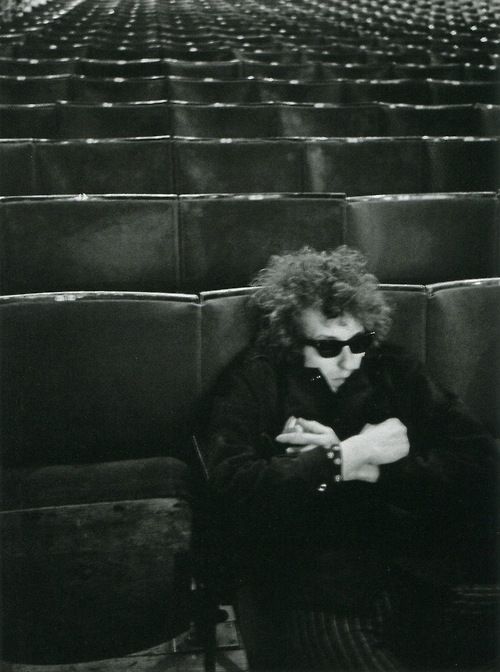
Imagine you are sitting in a move theatre. Naturally you are facing the screen, where the action seems to be taking place in front of you. It takes place in front of you, but you know that what appears in front of you is being projected from behind, from the movie camara in the projector room. In the physical world we know this, but in the inner world of our mind and perception, there is another projection going on, that of our past onto our present and future.
It looks a bit like this: Your present moment and future experience are like the projector screen, but it actually contains content and images of it’s own. However, there is also a series of images projected upon our present moment ‘screen’, coming from our past, and the story that we tell ourselves about the past. To give a few examples:

  • If at school I was made to feel like an ‘outsider’ by the other children, I may take that feeling of being an outsider into my adult relationships, and that feeling may determine much of how I relate to others socially
  • My parents and teachers’ ways of dealing with emotion will be something that I have absorbed and tend to imitate in my ways of dealing with my own emotion
  • My sense of what is possible and appropriate for me in terms of future happiness & wealth may have a lot to do with the social and cultural environment within which I was brought up

 
Not all past memory and projection is bad, in fact some of it can be very positive. However, for all of us in one way or another, even if we consider ourselves a well adjusted individual, we carry memories of unresolved tension & emotional conflict that are interfering with our ability to process our present and future effectively.
 
Going into the projector room
Practicing mindfulness therapeutically in this sense means revisiting our past in a conscious manner, in order to recognise and release these past traumas and ‘kinks’ in our memory. This is a bit like going back into the projector room in the cinema, and getting the know the different types of film that get projected regularly onto the ‘projector screen’ of your daily life. You then start to see these old movies as they start to come up in everyday situations, and you begin to be able to choose other options and behaviour, rather than always choosing the old suggestions and repeating them.
 
Basic principles around the qualities of therapeutic mindfulness
Here is a brief set of pointing out instructions as to how a person might begin enquiring around his or her past in a therapeutic manner:

  1. Establish a quiet space to sit in contemplation, establish an inner mood and atmosphere of safety, warmth and curiosity
  2. Pick a domain of your past that you wish to explore. This could be a period of your childhood, a past relationship, or a more recent event that you feel somewhat disturbed by. Let your attention orientate around that time, and let memories start to arise
  3. As memories (or sometimes the absence of memories) begin to arise, gently remain present to them with a degree of warm acceptance, even if the memories that come up are painful. At this stage you are not trying to ‘fix’ them, more just use awareness and acceptance as the method by which the memories that hold trapped and unresolved emotions can come to the light of conscious awareness and be released.
  4. Initially practice doing this for short, manageable periods of time, gradually extending the time you spend as your confidence and comfort level increases.

The aim here is to get to know your past better, and the way in which it impinges upon your present. The awareness and acceptance of such experiences can also often go some way to ‘healing’ and releasing the unresolved trauma, but our main aim here is simply to get to know and recognize when our past is being projected upon our present & future.

Related articleAppreciating the past to liberate the future

© Toby Ouvry 2023, you are welcome to use or share this article, but please cite Toby as the source and include reference to his website www.tobyouvry.com

Tues/Weds Nov 14th/15th – Seasonal classDeepavali -connecting to your inner light


Integral Meditation Asia

Online Courses 1:1 Coaching * Books * Live Workshops * Corporate Mindfulness Training *Life-Coaching *  Meditation Technology
Categories
A Mind of Ease Insight Meditation Integral Awareness Life-fullness Meditating on the Self Meditation and Psychology Meditation techniques Mindfulness Presence and being present Stress Transformation Using the Energy of Negative Emotions

Creating an inner therapeutic mindfulness space – six positions

The purpose of therapeutic mindfulness is to go back to previous stages in our development in order to reconnect to feelings, emotions, body sensations & memories that we have repressed, denied, or lost touch with. The healthy re-integration of these experiences sets the scene for a renewed sense of wellbeing within our present life, & for safely engaging in higher, deeper levels of personal growth.”

Dear Integral Meditators, 

On the 26th/27th September I will be starting a 10 module program – “An introduction to integrative therapeutic mindfulness & meditation – Re-discovering your inner vitality & joie-de-vivre“, the article below explores how we can create a context for mindfulness as a therapeutic practice. Many of the positions below I’ve written about reasonably extensively before, but the ordering of them is specific to doing therapeutic mindfulness. 

If you enjoy the article I invite you to click on the link & find our more about the course!

In the spirit of our inner support system,

Toby 


Creating an inner therapeutic mindfulness space – six positions
 
The purpose of therapeutic mindfulness is to go back to previous stages in our development in order to reconnect to feelings, emotions, body sensations and memories that we have repressed, denied, and lost touch with. The healthy re-integration of these experiences sets the scene for a renewed sense of wellbeing within our present life. It also lays the foundation for then exploring the higher, deeper levels of meditation states (psychic, subtle, causal, non-dual) in a way that is balanced and sustainable. Below are a set of qualities to cultivate when engaging in therapeutic mindfulness. Each one of them has benefits in an of themselves, but practiced together they make for a good combination within which we can then go on to do some inner healing work.
 
Grounding in the senses – Work that involves contacting potentially volatile emotions or feelings needs to be done whilst grounded enough in the present moment in order to feel the stability of our senses supporting us, so that we don’t feel completely ‘carried away’ by the experience.


Safety – Repressed emotions can feel dangerous, so connecting to the basic safety of this moment – recognizing that there are no immanent threats to our present wellbeing – is a fundamental position to be familiar with.


Warmth & compassion – Establishing as far as we can a feeling of basic warmth and compassion toward ourselves at the beginning of the session, and as we encounter our experiences during the TM session.


Appreciation – Having an appropriate sense of our life being a good place with the existence of people, places and experiences that make it rich and enjoyable. This then means that when we encounter challenges in our therapeutic mindfulness practice, it is always contextualized by this sense of overall appreciation/ positivity.


Curiosity & courage – TM can feel like heavy work sometimes, so cultivating a sense of lightness and curiosity is helpful in this regard. It helps us avoid getting overly caught up and identified in the experience. Similarly, courage can help us hugely as, by its nature TM involves contact and sometimes confrontation with parts of us that we fear or would otherwise wish to avoid. This doesn’t mean you have to be some kind of big hero, just that you have whatever courage you possess present and available to you when doing TM.


A sense of being supported – It can be useful if you have any belief or sense of a higher, deeper supporting being or intelligence to invoke or feel the presence of it/her/him before you engage in therapeutic mindfulness practice. This is personal and can be done any way that the practitioner finds acceptable or appropriate.
 
With these six positions available to you and in place, you should then feel confident in engaging in any kind of therapeutic mindfulness practice that you might want to, with a sense of these qualities supporting and enhancing your practice.

© Toby Ouvry 2022, you are welcome to use or share this article, but please cite Toby as the source and include reference to his website www.tobyouvry.com


All upcoming classes and workshops at IMA:

Ongoing – Weekly Tuesday, Wednesday Online class schedule

Ongoing on Wednesday’s, 7.30-8.30pm – Wednesday Meditation for stress transformation and positive energy with Toby (Bukit Timah)

Ongoing on Tuesday evenings, 7.30-8.30pm – Tuesday Meditation for stress transformation and positive energy with Toby  (East Coast)

Ongoing Tues/Weds in August/Sept – The Wisdom of Awakening Series: Meditations for developing wisdom around inner-growth, happiness & fulfillment

Saturday August 26th, 9.30-11.30am – Monthly Qi Gong & Taoist Breathwork Clinic & Mini-retreat

Saturday Saturday 9th September, 9am-12.30pm – Qi Gong for Improving your Health and Energy Levels and for Self-Healing

Wednesday 20th September, 7.30-8.30pm – Autumn Equinox balancing & renewing meditation

Starting Tues 26th & Weds 27th September – Re-discovering your inner vitality & joie-de-vivre – An introduction to integrative therapeutic mindfulness & meditation

Saturday 30th September & Sunday 1st October, 9.30am-1pm – Meditations for connecting to the Tree of Life, and growing your own personal Life Tree

Saturday & Sunday October 28th & 29th – Integral Meditation Two Day Retreat


Integral Meditation Asia

Online Courses 1:1 Coaching * Books * Live Workshops * Corporate Mindfulness Training *Life-Coaching *  Meditation Technology

Categories
Inner vision Insight Meditation Life-fullness meditation and creativity Meditation and Psychology Meditation techniques Mindful Self-Leadership Presence and being present Stress Transformation Using the Energy of Negative Emotions

Discovering the pleasure of alone

Enjoying your alone time then offers a whole new experience of being in the company of others. You can enjoy humans and other living beings for what they have to offer, and for the joy of connection, rather than the fear of loneliness

Dear Integral Meditators, 
This week’s article explores our relationship to being alone, and how to move from being lonely to enjoying being alone. 
This Tuesday & Wednesday is the annual Spring Equinox balancing and renewing meditation , with the Monthly Qi Gong & Taoist Breathwork Clinic & Mini-retreat on the Saturday. You are welcome to join either or both, live or online.

Finally, heads up for the next major weekly meditation series starting mid-April: Starts Tues/Weds April 11th/12th , 7.30-8.30pm – Meditations for thriving and energy creation – An eight week course

In the spirit of alone not lonely, 

Toby 


Discovering the pleasure of alone

In this article I want to focus on a few points that lie between going from feeling lonely to the pleasure of being alone. It’s a huge advantage to feel comfortable being alone, and is entirely complementary to a real and deep enjoyment of being in the company of others.

Mammalian and existential loneliness
As humans we are naturally a fairly lonely lot. On the mammalian level we crave the security of the pack, and tend toward a primal nervousness and vulnerability when alone because of this. We also have a natural and understandable desire to be seen and appreciated by others as an affirmation of our fundamental value. On a deeper existential level there is also the challenge of knowing that we are all alone in our experience, no one can truly know us and what we are going through. This is something that we tend to resist, trying very hard instead to been seen, heard and recognised by others.  All of this becomes particularly acute if our self-image, and therefore or basic sense of our value and capability is shaky.

Avoiding alone because of loneliness
For all the reasons above we can find ourselves avoiding being alone in order to avoid having to confront our loneliness. This then means that we miss out on all the opportunities to experience what you might think of as the joy of being alone. After all, people can be quite bothersome, and this can be compounded by our own neediness of them. These two together often results in us seeking people out, and then at the same time disliking being in their company, which is a bit of a lose-lose situation!

Reframing alone

  • Being alone is a way to re-connect to yourself, and make your own inner connection to yourself warm, healthy and stable
  • It’s time to catch up with yourself, heal your wounds and return to wholeness
  • Being alone is freedom to enjoy your own company and not be obligate to others for that time
  • It’s time to enjoy your creativity and imagine new possibilities
  • It’s time to recover your energy
  • It’s time to connect to silence, or at least less inner noise
  • It’s time for you to arrange your thoughts and thinking in a way that sets you up for success in life
  • And of course, it’s time to meditate and pursue your other interests

What other reasons can you think of to help you start looking forward to the next time you are alone?

Meditation and the freedom of alone
Meditation of course is, at least in part the art of enjoying being alone. Before you start to really enjoy being alone, meditation is a great place to start learning how to enjoy being alone, to notice and make peace with your loneliness, and the other reasons that compel you to seek out company as a way of avoiding yourself. If you sat for five-ten minutes each day for the next week, oriented your mindful attention around the ‘reframe list’ above you might find yourself enjoying it faster than you think.

Happy alone, happy in company
Enjoying your alone time then offers a whole new experience of being in the company of others. Rather than being there because you need to be, you can be there because you want to be in their company. You can enjoy humans and other living beings for what they have to offer, and for the joy of connection, rather than the avoidance of loneliness.

Related articleIndependent interdependence

© Toby Ouvry 2023, you are welcome to use or share this article, but please cite Toby as the source and include reference to his website www.tobyouvry.com

Read full details


All upcoming classes and workshops at IMA:

Ongoing – Weekly Tuesday, Wednesday Online class schedule

Ongoing on Wednesday’s, 7.30-8.30pm – Wednesday Meditation for stress transformation and positive energy with Toby (Bukit Timah)

Ongoing on Tuesday evenings, 7.30-8.30pm – Tuesday Meditation for stress transformation and positive energy with Toby  (East Coast)

Tues 21st & Weds 22nd March, 7.30-8.30pm – Spring Equinox balancing and renewing meditation

Saturday March 25th, 9.30-11.30am – Monthly Qi Gong & Taoist Breathwork Clinic & Mini-retreat

Sat & Sunday 1st, 2nd April – Two day integral meditation retreat

Starts Tues/Weds April 11th/12th , 7.30-8.30pm – Meditations for thriving and energy creation – An eight week course

Saturday 15th April 9am-12.30pm – Meditations for Developing the Language of Your Shadow Self Workshop

Tues 30th/Weds 31st May – Wesak meditation


Integral Meditation Asia

Online Courses 1:1 Coaching * Books * Live Workshops * Corporate Mindfulness Training *Life-Coaching *  Meditation Technology
Categories
A Mind of Ease Enlightened love and loving Inner vision Insight Meditation Life-fullness Meditation and Psychology Motivation and scope Using the Energy of Negative Emotions

Wisdom around forgiveness 

“How many of the things that we have done or others have done to us were as a result of not knowing any better, or out of ignorance? If it was out of unknowing, then perhaps these are the things that we can start our forgiveness practice with”

Dear Integral Meditators,

 
This week’s article looks at forgiveness as an object of mindful attention and practice. As a state I find forgiveness a very ‘mind-cooling’ experinece, it’s nice just to sit in and feel your inner temperature drifting gently down!
If you enjoy the article, then do come along to this weeks Tuesday or Wednesday class where we will be taking forgiveness as our object of meditation. 

This week is also the start of a new mini-meditation series: The Wisdom of Awakening Series: Meditations for forgiveness, Eternal life & True inner fortitude. It promises to be a fun and informal way to deepen your meditation practice in unexpected and whimsical ways!

And finally, brief reminder of the Shadow meditation workshop on the 18th March, for the slightly braver and more adventurous….

In the spirit of acceptance & forgiveness, 

Toby 


Wisdom around forgiveness

Before you start reading the article, it might be worth just having a think about your current experience of forgiveness:

  • How would you define it?
  • What sort of feelings and emotions come up for you around forgiveness?
  • Are there people in your life, including yourself that you’d like to forgive?

If we think of forgiveness in broad terms as a ‘willingness or intention to let go of grudges for (perceived?) harm done, and for the anger and resentment accompanying it’. Then this, along with your own reflections gives us a basis for proceeding. Here are three mindful positions that you can take around forgiveness:

Awareness that you aren’t forgiving, haven’t forgiven, haven’t accepted
If you know you have resentment towards someone or yourself, before you start telling yourself that you need to do anything like forgiving, you need to know it is there and acknowledge that fact. If you know you are not ready to forgive, then accepting that is a good holding space. If for me the anger is still rising within me, my experience is that if I can simply acknowledge and flow with it for a while, I’ll start to move into the next stage naturally without forcing.

Accepting without forgiving
Working through your anger and resentment doesn’t necessarily mean you then forgive unconditionally. Sometimes it might feel more appropriate to focus on accepting what happened without necessarily forgiving unconditionally. It may be that you don’t feel it’s appropriate, or not your place to forgive, in which case an appropriate state of resolution and peace can be achieved through acceptance. You can read more about this position in my article ‘Acceptance or forgiveness – The difference’.

Choosing to forgive, choosing to understand
There are certain situations where you may feel that it is appropriate and beneficial to really emphasize forgiving and releasing properly. Sometimes this may be done conditionally, other times unconditionally. To do this involves:

  • Acknowledging the action
  • Accepting our feelings of anger and resentment around what has happened
  • Choosing to understand and forgive the person for their actions
  • Consciously letting go of our grudge, and wiping the slate clean in the relationship

These four stages may be something that we need to do more than once in order to really forgive, and it may be that we need to re-forgive a number of times over a period of time before we really sense that we have let go.
You might also consider that forgiveness has two major dimensions:

  • Applying it to ourselves
  • Applying it to others

Quite often the things we find really difficult to forgive in others are as a result of things that we have judged and not forgiven ourselves for. So if we are looking for a place to start, authentic forgiveness of self is a wise one!

So that’s most of what I wanted to say on the subject for now. Below is a short paragraph from ‘One Minute Wisdom’ by Anthony De Mello. How many of the things that we have done or others have done to us were as a result of not knowing any better, or out of ignorance? If it was out of unknowing, then perhaps these are the things that we can start our forgiveness practice with.

‘UNDERSTANDING’
“How shall I get the grace of never judging my neighbour?”
“Through prayer.”
“Then why have I not found it yet?”
“Because you haven’t prayed in the right place.”
“Where is that?”
“In the heart of God.”
“And how do I get there?”
“Understand that anyone who sins does not know what he is doing and deserves to be
forgiven.”

© Toby Ouvry 2023, you are welcome to use or share this article, but please cite Toby as the source and include reference to his website www.tobyouvry.com

Read full details


All upcoming classes and workshops at IMA:

Ongoing – Weekly Tuesday, Wednesday Online class schedule

Ongoing on Wednesday’s, 7.30-8.30pm – Wednesday Meditation for stress transformation and positive energy with Toby (Bukit Timah)

Ongoing on Tuesday evenings, 7.30-8.30pm – Tuesday Meditation for stress transformation and positive energy with Toby  (East Coast)

Starts Tuesday /Wednesday 23/24th March – The Wisdom of Awakening Series: Meditations for forgiveness, Eternal life & True inner fortitude

Saturday 18th March – Finding Freedom From What Holds You Back in Life: Practical meditations & techniques for working with your shadow-self

Tues 21st & Weds 22nd March, 7.30-8.30pm – Spring Equinox balancing and renewing meditation

Saturday March 25th, 9.30-11.30am – Monthly Qi Gong & Taoist Breathwork Clinic & Mini-retreat

Sat & Sunday 1st, 2nd April – Two day integral meditation retreat

Starts Tues/Weds April 11th/12th , 7.30-8.30pm – Meditations for thriving and energy creation – An eight week course

Tues 30th/Weds 31st May – Wesak meditation


Integral Meditation Asia

Online Courses 1:1 Coaching * Books * Live Workshops * Corporate Mindfulness Training *Life-Coaching *  Meditation Technology

Categories
Awareness and insight Energy Meditation Integral Awareness Life-fullness Meditation and Psychology mind body connection Mindful Confidence Mindful Resilience Motivation and scope Presence and being present Using the Energy of Negative Emotions

Transforming worry to wise concern

“Cultivate feelings of confidence and self-trust around your problems, and think about them from this position, rather than intimidation and rumination”

Dear Integral Meditators,

What would it take to transform your worrying to wise concern? This weeks article explores a few practical pointers!

Full details of all sessions in June are below, as well as the next The Integral Mindfulness Program for Coaches, Counselors & Therapists in July, which is on special early bird offer until 7th June!.

In the spirit of wise concern,

Toby


Transforming worry to wise concern

What would it take to transform your worrying to wise concern? Here are a few thoughts and mindful pointers

Worry – thinking about your problems without confidence
When we feel intimidated and oppressed by our problems and concerns we tend to fall into the anxious, repetitive patterns of thinking, feeling and acting that we know as worrying. It’s not particularly pleasant, and often it doesn’t help us a huge amount. Sometimes we worry because we lack confidence in ourself, but also the more we worry, often the less confident we feel about ourselves. It can be a vicious circle.

Faith in yourself, faith in life’s process
So a part of transforming your worry into wise concern is to develop confidence, faith and trust in your ability to meet your problems well, and that a solution is very possible. This is partly an attitude that you can practice that then in turn becomes a habit. We can approach this from a mental/psychological perspective, and a somatic one:

Mental/Psychological: Rumination as opposed to directed, creative thinking
When we are worried, not confident and feeling intimidated by our problems, often we ruminate. To ruminate means to think in a low quality, repetitive way about what we are going through. It leaches our energy and often takes us no closer to a solution. Wise concern seeks to think creatively and intelligently about the presenting issue, and knows when to stop thinking for now and accept that nothing more can be done for the time being.

Somatic: Your stomach; seat of power or seat of worry?
In Taoist philosophy and meditation the seat of our worrying in the body is the stomach. Our solar plexus chakra, which is in very close proximity to our stomach is our centre of power and confidence. So it can be quite interesting to explore this area of our torso, which is right in its central zone, in order to process our feelings of worry in the body, and also to see if we can mindfully impose a feeling of strength and calm in this central space.

Wise concern  – Dwelling upon your problems without feeling intimidated by them
In conclusion:

  • Notice and extend care and concern to the parts of us that worry and are worried
  • Cultivate feelings of confidence and self-trust around your problems, and think about them from this position, rather than intimidation and rumination
  • Think deliberately with wise concern about your challenges, rather than ruminating
  • Explore and cultivate a feeling of comfort, confidence and power in the stomach and solar plexus zones of the body, and notice how this changes the way in which you process your challenges and problems!

Related articlePlan more, worry less!

Article & content © Toby Ouvry 2021, you are welcome to use or share this article, but please cite Toby as the source and include reference to his website www.tobyouvry.com


Saturday 19th June, 9.30-11.30am – Deep dive breathing meditation masterclass

This masterclass teaches six complementary breathing techniques that will help you:

  • Connect to your body’s natural intelligence and capacity to move towards balance and harmony
  • Release stress and tension on progressively deeper levels
  • Combine relaxation with sustainably higher energy levels
  • Make your life and activities into a ‘flow’ state
  • Develop systematically deeper states of physical, psychological and spiritual concentration
  • Reduce over active thinking and cultivate stillness
  • Cultivate breathing patterns that are conducive to physical health and well-being

Read full details


Tues 22nd & Weds 23rd June, 7.30-8.30pm – Summer solstice balancing & renewing meditation
The Summer Solstice (Called by the Celts ‘Alban Hefin’, or ‘the Light of Summer’) is the high point of summer in the northern hemisphere, the point of the Suns maximum power in the year, & the longest day. It is a good time to attune the life-force in the earth & creative energies within ourselves. We will be taking the time to get in touch with our own inner power, solar confidence & expressive self.

At the summer solstice, we can think about the autumn & winter periods that lie ahead of us, what our goals & expectations are, & sow the seeds on an inner level of the things that we wish to manifest over the next few months.
Full details


Saturday 26th June, 2-5.30pm
 – Wabi-Sabi mindfulness – The art of creative leadership and self-leadership workshop

In a sentence: Learn how to work creatively with uncertainty, imperfection and life’s inherent messiness to realize your leadership and self-leadership potential.  Manage stress and anxiety better using mindfulness in combination with the practical philosophy of Wabi-Sabi.
Principle aspects of Wabi-Sabi include:

  • An appreciation of the beauty of the impermanent, the imperfect and incomplete
  • A recognition of the value of humility
  • A willingness to engage with the unconventional

Read full details


Weekend of 9,10,11th July – The Integral Mindfulness Program for Coaches, Counselors & Therapists – Creating sustainable high performance and & wellness

Early bird offer: Up until the 7th June SGD$680 (Course price $850)

Overview: This is a weekend, three-session dynamic mindfulness program designed for:

  • Those looking for an engaged, practical mindfulness course designed to build resilience, effectiveness and wellness in the face of work and life challenges
  • Trainers, coaches and therapists looking to integrate mindfulness into their own professional practice with clients
  • People who have been through basic conventional mindfulness training programs and are looking for the next level of practice and performance

The essential content of the course is ten separate but interlinked mindfulness meditation practices…

Read full details


Life-fullness – The Integral Life-Coaching Program with Toby

Are you looking a coach who can help you to:

  • Meet the challenges, stress and changes that you face in a more effective and mindful way
  • Become happier within yourself, in your relationships and at work
  • Be actively accountable for finding a sense of balance/well-being in your life and fulfilling your personal potential?
  • Guide you to find and operate from a deeper sense of meaning, motivation and connectivity in your life?

Read full details


All upcoming classes and workshops at IMA:

Ongoing – Weekly Tuesday, Wednesday Online class schedule

Ongoing on Wednesday’s, 7.30-8.30pm – Wednesday Meditation for stress transformation and positive energy with Toby (Bukit Timah)

Ongoing on Tuesday evenings, 7.30-8.30pm – Tuesday Meditation for stress transformation and positive energy with Toby  (East Coast)

Ongoing Tues/Wednesday – Meditations for physical, emotional & environmental health & regeneration – A 7-week course

Saturday 19th June, 9.30-11.30am – Deep dive breathing meditation masterclass

Tues 22nd & Weds 23rd June, 7.30-8.30pm – Summer solstice balancing & renewing meditation

Saturday 26th June, 2-5.30pm – Wabi-Sabi mindfulness – The art of creative leadership and self-leadership workshop

Weekend of 9,10,11th July – The Integral Mindfulness Program for Coaches, Counselors & Therapists – Creating sustainable high performance and & wellness